
 English
 Русский
 Español
 Français
 Deutsch
 简体中文
简体中文
 Árabe
Árabe
 Português
 日本語
日本語
 한국어
한국어
 हिंदी
हिंदी
 Prancis
 Türkçe
 Tiếng Việt
 Italiano
 ไทย
ไทย

Silicon Carbide Plate vs. Ceramic Plate: Performance and Cost Comparison
Industrial equipment can face high heat, thermal shock, wear, and chemical contact. These conditions can damage plate materials over time. The right plate can help reduce maintenance work and replacement needs.
Silicon carbide plates and other ceramic plates are both used in industrial equipment. However, they have different properties. The right choice depends on temperature, thermal cycling, wear, load, and equipment design.
Silicon Carbide Plate and Ceramic Plate: Key Differences
Silicon carbide is a hard ceramic material. It has high thermal conductivity and low thermal expansion. These properties make silicon carbide plates useful in many high-temperature applications.
Ceramic plates can use different materials. Common types include alumina, mullite, and cordierite. Each material has its own properties.
So, the term "ceramic plate" covers many materials. Buyers should check the actual material before comparing products.
| Factor | Silicon Carbide Plate | Conventional Ceramic Plate |
| High-temperature use | Suitable for demanding conditions | Depends on material |
| Thermal conductivity | Generally high | Varies |
| Thermal expansion | Generally low | Varies |
| Thermal shock | Good for suitable grades | Depends on material |
| Wear resistance | High | Depends on material |
| Chemical resistance | Generally good | Depends on composition |
| Weight | Relatively low for its strength | Varies |
| Cost | Often higher | Wide price range |
These differences do not mean that silicon carbide is right for every job. The working conditions should guide the choice.
Thermal Performance Comparison
Temperature changes can create stress in a ceramic plate. This can happen when the plate is heated and cooled many times.
Silicon carbide has low thermal expansion and good thermal conductivity. These properties help it handle repeated temperature changes.
This makes silicon carbide plates useful for some furnace parts, kiln furniture, and heat treatment equipment.
Other ceramic materials can also work well. The best material depends on the heating and cooling conditions.
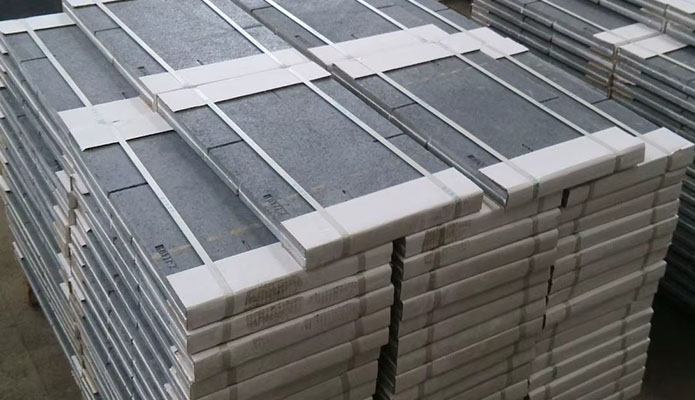
Wear and Mechanical Strength Comparison
Silicon carbide and many other technical ceramics can resist wear. The actual result depends on the material grade, density, thickness, and working load.
Silicon carbide plates are often used where heat and abrasion occur at the same time. They can protect equipment parts that contact hard particles or moving materials.
Impact is another factor.
High hardness alone does not guarantee long service life. Plate thickness, support, impact force, and installation can also affect performance.
A plate used under heavy impact needs enough support and suitable thickness.
Chemical Resistance and Service Conditions
Industrial plates may contact gases, powders, molten materials, or chemicals. These materials can affect plate performance.
Silicon carbide has good chemical resistance in many industrial conditions. This is one reason it is used in some furnace, kiln, and chemical processing applications.
Other ceramic materials may work better in different conditions. Buyers should check the material composition before use.
Silicon Carbide Ceramic Plate for High-Temperature Equipment
A silicon carbide ceramic plate can be used when equipment needs both heat resistance and wear resistance.
Common applications include:
High-temperature furnace parts
Kiln components
Heat treatment equipment
Ceramic processing equipment
Wear-resistant parts
High-temperature support parts
Plate size and thickness also matter.
Large plates may need stronger support. This can help reduce bending and stress during use.
Silicon Carbide Plate Price vs. Long-Term Cost
Silicon carbide plate price is only one part of the buying decision.
The price can depend on:
Material grade
Plate size
Plate thickness
Manufacturing method
Machining
Order quantity
Custom design
A basic ceramic plate may cost less. But it may not meet the needs of a high-temperature or high-wear application.
Buyers should also look at maintenance and replacement costs. Frequent replacement can increase labor costs and production downtime.
The lowest purchase price is not always the lowest total cost.
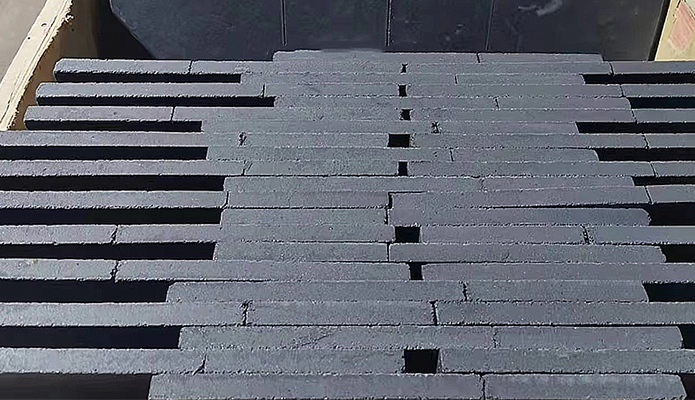
Application Differences Between the Two Materials
The difference becomes clearer when the working conditions are known.
Silicon carbide can be useful for equipment with high temperatures and repeated heating and cooling. Its thermal properties can help in these conditions.
Other ceramic materials may be suitable for less demanding applications. They may also provide specific properties at a different cost.
Before making a decision, check the actual working conditions.
Important factors include:
Operating temperature
Thermal cycling
Wear
Chemical contact
Mechanical load
Installation method
Custom Sizes and Thickness Options
Industrial equipment does not always use standard plate sizes.
Some applications need special lengths, widths, or thicknesses. Others may need holes, special edges, or other machining.
Custom silicon carbide plates can be made for these conditions when standard plates do not fit.
The support method should also be checked. Even a suitable material can crack or deform if the plate is not properly supported.
Practical Factors Beyond Initial Price
A good comparison should look beyond the material name and purchase price.
Consider the full working condition:
Temperature + Thermal Cycling + Wear + Chemical Contact + Mechanical Load + Maintenance
Silicon carbide plates can work well in demanding industrial applications. Other ceramic plates may be better for different conditions.
The main point is simple. Match the plate material to the real job. Check the temperature, wear, load, size, and installation conditions before ordering.
This approach gives buyers a clearer view of product performance, maintenance needs, and silicon carbide plate price.
Online Message
RELATED PRODUCTS

LAR manufactures wear resistant ceramic plates for heavy abrasion industrial environments. A wear resistant ceramic plate from LAR uses high-purity ceramic materials to ensure strong mechanical stability. This wear resistant plate protects equipment surfaces from continuous friction, impact, and particle erosion. LAR produces each wear resistant ceramic plate through pressing and high-temperature sintering processes. This wear resistant plate forms a dense microstructure that improves surface strength and durability. A custom wear resistant plate supports precise adaptation to different equipment layouts and installation conditions. Many industries such as mining, cement, steel, and power generation rely on wear resistant ceramic plates. A wear resistant ceramic plate is commonly installed in chutes, hoppers, cyclones, and conveying systems. A custom wear resistant plate from LAR helps extend equipment lifespan and reduce maintenance frequency in harsh working environments.
LAR’s Kiln Furniture Base plates are essential refractory support components used in high-temperature kiln systems. These Kiln base plates provide a stable platform for stacking kiln furniture and ceramic products during firing. Manufacturers produce Kiln Furniture Base plates from high-quality refractory materials such as mullite or similar compositions. The production process includes high-temperature sintering to ensure structural stability. Each plate maintains consistent performance under repeated heating cycles. LAR’s Kiln Furniture Base plates suppliers design these products to improve kiln efficiency. The structure helps distribute loads evenly and supports uniform heat transfer. Many industries rely on these base plates to maintain stable firing conditions.
LAR’s Silicon carbide kiln shelves are high-performance refractory plates used in demanding kiln environments. These shelves are an important part of silicon carbide kiln furniture systems. Manufacturers produce silicon carbide kiln shelves using SiC-based materials through high-temperature sintering or reaction bonding processes. The material provides excellent thermal conductivity and high mechanical strength. These properties make the product suitable for fast firing and heavy load applications. Many industries choose sic kiln furniture when they require stable performance under extreme conditions. Silicon carbide kiln furniture improves heat transfer and supports efficient kiln operation.
LAR's silicon carbide plates are high-performance refractory and structural components used in high-temperature and wear-resistant applications. These plates provide excellent mechanical strength and thermal stability. Manufacturers produce silicon carbide ceramic plate products using advanced processes such as reaction bonding or sintering. The material offers high hardness, good thermal conductivity, and strong resistance to oxidation. Each silicon carbide plate maintains stable performance under harsh working conditions. LAR's silicon carbide plates are widely used in kiln systems, industrial furnaces, and mechanical equipment. Many users evaluate silicon carbide plate price based on material grade, size, and production method.
LAR’s silicon Carbide Pusher Plates are high-performance components used in continuous and batch kilns for ceramics, glass, and metallurgical applications. The plates are made from high-purity silicon carbide, providing exceptional thermal conductivity and wear resistance. LAR’s silicon Carbide Pusher Plates provide high temperature resistance and excellent mechanical strength for kiln systems. The products support ceramic materials during continuous firing processes and maintain stable performance under repeated thermal cycling.Silicon carbide materials offer high thermal conductivity and excellent thermal shock resistance. These properties help improve heat transfer efficiency and reduce cracking or deformation during operation. LAR’s silicon carbide pusher plates are widely used in tunnel kilns, powder metallurgy furnaces, electronic ceramics production, and lithium battery material firing systems. The products help improve kiln efficiency and extend service life.Manufacturers produce each Silicon Carbide Pusher Plate through advanced sintering techniques. Many industrial users choose these plates to improve kiln efficiency and extend service life.
