
 English
 Русский
 Español
 Français
 Deutsch
 简体中文
 Árabe
 Português
 日本語
 한국어
 हिंदी
 Prancis
 Türkçe
 Tiếng Việt
 Italiano
 ไทย

Mullite Kiln Shelves for High-Temperature Ceramic Firing
Kiln shelves support ceramic products during firing. They must carry the load and withstand repeated heating and cooling. The wrong shelf material can lead to cracking, bending, or damage to fired products.
Mullite kiln shelves are used in ceramic firing and other high-temperature processes. Mullite is an aluminosilicate ceramic known for its high-temperature stability. The right shelf design depends on firing temperature, load weight, shelf size, and kiln conditions.
Why Mullite Kiln Shelves Are Used in Ceramic Firing
During firing, kiln shelves support ceramic parts and help keep them in position. They must remain stable under heat and load.
Mullite kiln shelves can be suitable for applications that need good high-temperature stability and reliable support. They are used in ceramic production, technical ceramics, and other kiln applications where the material matches the working conditions.
Several factors affect shelf performance:
Firing temperature: The shelf material must suit the actual operating temperature.
Load weight: Heavy products place more stress on the shelf.
Heating and cooling: Rapid temperature changes can increase thermal stress.
Shelf dimensions: Large or thin shelves may need different support arrangements.
Kiln atmosphere: Gas composition and contact with fired materials can affect service performance.
A shelf should be selected according to the full firing process, not temperature alone.
Mullite Kiln Shelf vs. Other Kiln Shelf Materials
Mullite is not the only material used for kiln shelves. Cordierite-mullite, high-alumina ceramics, and silicon carbide are also common options. Each material has different strengths and limitations.
Material | Main characteristics | Common applications | Key consideration |
Mullite | Good high-temperature stability | Ceramic firing and selected high-temperature applications | Check load capacity and thermal cycling |
Cordierite-mullite | Low thermal expansion and good thermal shock resistance | Many standard ceramic firing processes | Confirm the maximum working temperature |
High-alumina ceramic | High hardness and good strength for suitable grades | Applications needing strong support and heat resistance | Check grade, weight, and temperature rating |
Silicon carbide | High thermal conductivity and good strength in suitable grades | Industrial kilns and demanding firing conditions | Check kiln compatibility and thermal cycling |
Actual performance depends on the material grade, manufacturing process, shelf thickness, and operating conditions. These materials are not direct replacements for one another in every application.
Before changing shelf materials, compare their technical data and confirm that the new material suits the kiln and the products being fired.
Key Factors That Affect Mullite Kiln Shelf Performance
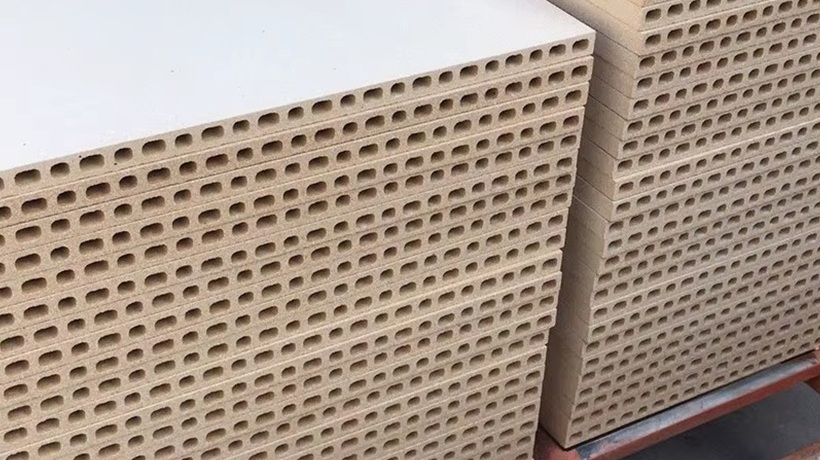
A mullite kiln shelf must support the load without excessive bending or damage. Its performance depends on both material quality and use conditions.
Load and support: Heavy products can cause stress across the shelf. Poorly placed support posts can create uneven loading. Follow the recommended loading and support arrangement.
Shelf thickness and size: Large shelves may bend under load if their thickness and support spacing are unsuitable. The manufacturer should review the shelf dimensions and expected load before production.
Temperature changes: Fast heating or cooling can create thermal stress. Follow the kiln's firing schedule and avoid sudden temperature changes when the material cannot handle them.
Surface condition: Cracks, chips, and damaged edges can affect shelf performance. Inspect shelves before use and replace damaged parts when necessary.
Correct handling and loading also matter. Even a suitable shelf can fail if it is dropped, overloaded, or used outside its rated conditions.
Common Problems with Mullite Kiln Shelves During Firing
Several problems can occur when shelf selection, kiln operation, or handling is unsuitable.
Cracking: Rapid temperature changes, impact, or existing damage can lead to cracks. Check firing and cooling rates, and inspect shelves before loading.
Bending or warping: Excessive load, unsuitable support spacing, or high-temperature exposure beyond the material's rating can cause deformation. Review the load and support layout.
Uneven wear: Repeated use and contact with fired products can damage the shelf surface. Check whether the shelf material is compatible with the product and kiln atmosphere.
Product contamination: Glaze or other materials may stick to the shelf or react with its surface. Use a suitable kiln wash or protective layer when required by the process.
Identifying the cause helps prevent repeated failures. Replacing shelves without reviewing loading, temperature, and support conditions may not solve the problem.
What to Look for in a Mullite Kiln Shelves Manufacturer
A reliable mullite kiln shelves manufacturer should understand the customer's firing conditions and dimensional requirements.
Before placing an order, confirm the following details:
Material composition and grade
Maximum recommended working temperature
Shelf length, width, and thickness
Flatness and dimensional tolerances
Load and support requirements
Inspection procedures and product documentation
A manufacturer should provide technical information for the actual product rather than relying on general claims about mullite. Buyers can also ask about raw material control, forming methods, firing conditions, and final inspection.
For replacement orders, photos of damaged shelves and details of the current kiln setup can help identify possible causes of failure.
Custom Mullite Kiln Shelves for Different Kiln Applications
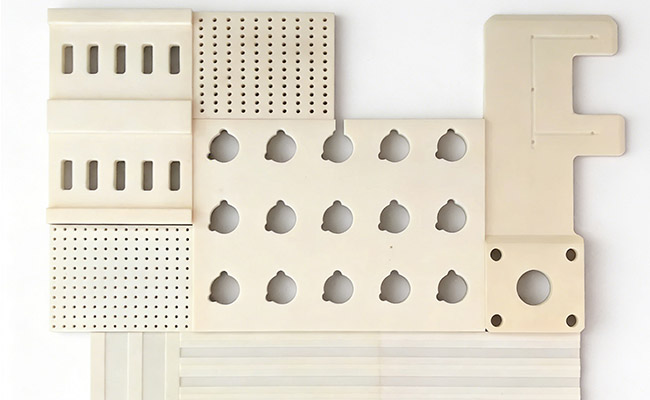
Standard shelf sizes may not fit every kiln. Some production lines need special dimensions, thicknesses, or shapes to support their products.
Custom mullite kiln shelves can be made to meet agreed drawing and size requirements. Before production, the supplier should review the kiln dimensions, firing temperature, product weight, support layout, and available space.
Custom dimensions alone do not guarantee better performance. The material grade and shelf design must also match the operating conditions.
For ceramic manufacturers, the goal is to find a shelf that provides suitable support, stable performance, and a practical service life under actual firing conditions. Clear specifications and proper kiln operation help achieve more consistent results.
Online Message
RELATED PRODUCTS

LAR’s Cordierite mullite kiln furniture is a widely used refractory support material in ceramic firing systems. This type of kiln furniture combines the advantages of mullite kiln furniture and cordierite kiln furniture. The material provides a balanced performance between thermal shock resistance and mechanical strength. Manufacturers produce this product by blending cordierite and mullite raw materials. The production process includes high-temperature sintering to form a stable crystal structure. The final product shows reliable performance under repeated firing cycles. Many mullite kiln furniture manufacturers supply this material for energy-efficient kilns. The structure helps reduce thermal stress and improves firing stability. Industries choose this material when they require both durability and resistance to rapid temperature changes.
LAR’s Cordierite kiln shelves are widely used refractory support plates in ceramic firing processes. These shelves provide a stable surface for placing ceramic products during kiln operation. A professional cordierite kiln shelves manufacturer produces these shelves using cordierite-based materials. The material offers excellent resistance to thermal shock and supports repeated heating cycles. The production process includes forming, drying, and high-temperature firing to achieve a stable structure. LAR’s Cordierite kiln furniture is suitable for applications that require frequent temperature changes. Many ceramic producers use these shelves to improve firing efficiency and reduce product damage.
LAR’s Mullite kiln shelves are refractory plates used to support ceramic products during high-temperature firing. These shelves are an important part of mullite kiln furniture systems. A professional mullite kiln shelves manufacturer produces these shelves using high-purity mullite materials. The manufacturing process includes shaping and high-temperature sintering. This process forms a stable crystal structure that performs well in demanding kiln conditions. LAR’s Mullite kiln shelves are suitable for applications that require higher temperature resistance than cordierite kiln furniture. Many ceramic producers use these shelves in industrial kilns where stability and strength are important.
LAR’s Silicon carbide kiln shelves are high-performance refractory plates used in demanding kiln environments. These shelves are an important part of silicon carbide kiln furniture systems. Manufacturers produce silicon carbide kiln shelves using SiC-based materials through high-temperature sintering or reaction bonding processes. The material provides excellent thermal conductivity and high mechanical strength. These properties make the product suitable for fast firing and heavy load applications. Many industries choose sic kiln furniture when they require stable performance under extreme conditions. Silicon carbide kiln furniture improves heat transfer and supports efficient kiln operation.
LAR’s Alumina kiln shelves are high-performance refractory plates used in high-temperature ceramic firing. These shelves are an important part of alumina kiln furniture systems. Manufacturers produce high alumina kiln shelves using high-purity alumina materials. The production process includes precise forming and high-temperature sintering. This process creates a dense and stable structure that performs well under extreme kiln conditions. Many industries choose alumina kiln furniture when they require high strength and high temperature resistance. Alumina kiln shelves provide reliable support and maintain dimensional stability during repeated firing cycles.
LAR’s Cordierite mullite kiln posts are refractory support components used in kiln stacking systems. These posts create vertical spacing between shelves and help maintain a stable structure during firing. Manufacturers produce mullite kiln posts by combining cordierite and mullite materials. This combination provides a balance between thermal shock resistance and mechanical strength. The production process includes forming and high-temperature sintering to ensure structural stability. Many users select cordierite kiln post products for applications that require frequent temperature changes. Custom mullite kiln posts allow users to match specific kiln layouts and load requirements. These posts support efficient kiln operation and consistent firing results.
LAR’s mullite honeycomb ceramics are advanced refractory materials used in high-temperature filtration and heat exchange systems. The product features a multi-channel honeycomb structure with straight and uniform passages. This design increases surface area and improves airflow efficiency. Manufacturers produce each Mullite honeycomb through extrusion and high-temperature sintering. Many industries choose custom Mullite honeycomb ceramics to match specific equipment and operating conditions. LAR’s mullite Honeycomb Ceramics provide stable thermal resistance and good structural strength. The honeycomb structure supports uniform airflow and efficient heat exchange. Many industries use mullite honeycomb ceramics in regenerative thermal systems and industrial burners.Mullite material offers low thermal expansion and good thermal shock resistance. This helps the product maintain stability during rapid temperature changes. The porous channel design also improves gas distribution efficiency.
